The Checkered Square Frame for Monogram: A Designer's Review
Before I load any embroidery file, I try to picture it stitched out, on a real product, in a real situation. That’s the filter I’m applying to the Checkered Square Frame for Monogram. Is this a design that will translate well from the digital preview to a finished product that feels polished and intentional? Here’s my practical judgment.
A First Impression: Classic, Contained, and Ready to Personalize
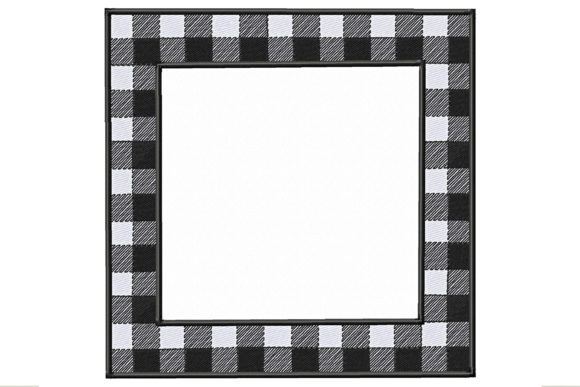
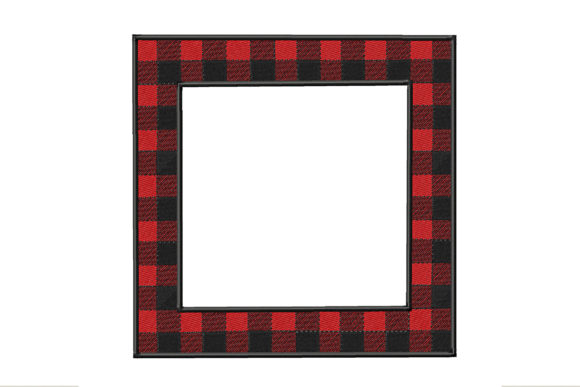
The immediate mood here is structured and tidy, with a touch of classic charm. The square frame, built from a clean plaid pattern, creates a defined border that feels both deliberate and welcoming. This isn’t a wildly ornate design; its personality is grounded and reliable. The level of detail is thoughtful—the checkered pattern provides visual texture without becoming overly dense or busy. It naturally belongs to projects where you want a clear focal point, a designated space for a name, date, or short message. It feels like a design meant to hold something precious within its borders.
For home decor, as suggested, it’s a solid contender. But my mind goes first to personalized gifts and small business merchandise. This design doesn’t scream "Christmas" on its own; its seasonal utility comes from the context you create. Stitch it on a neutral pillow with a monogram and it’s year-round. Use festive red and green threads on a holiday kitchen towel, and it becomes a perfect Christmas embroidery accent.
Where This Design Performs Excellently in Real Projects
Let’s walk through a real scenario. I’m preparing a custom embroidered tote bag for a client’s boutique. They want a polished, reusable gift bag that feels special. The Checkered Square Frame is an ideal candidate. Its structured shape lends a sense of order and quality on the bag’s surface. I can stitch the frame in a sophisticated charcoal gray, then place the boutique’s initials inside in a contrasting thread. The result is a branded, high-value handmade product that doesn’t look overly crafty—it looks designed.
This thinking applies across a range of applications. For custom apparel, like a linen sweatshirt or a canvas apron, this frame provides a clean anchor for personalization. On baby items, such as a blanket corner or a simple bib, it offers a sweet spot for a name without being too visually overwhelming for nursery decor. As an embroidered patch, the square shape is naturally easy to finish and apply. For Etsy sellers and craft fair products, this design is a versatile asset. It can be the consistent branding element on a line of tea towels, or the recurring motif on a set of personalized pillow covers for wedding gifts. In printable mockups for digital product sellers, this frame clearly demonstrates how a monogram would integrate, helping potential buyers visualize the finished product.
Visual Appeal and Professional Impact
How does this design affect the perceived value of a finished item? A well-executed frame like this increases stitching clarity by providing a definite boundary. On a tote bag or sweatshirt, that clarity translates to customer trust—it looks professionally planned. For handmade presentation, it adds a layer of intentionality that moves beyond a simple text stitch. It suggests effort and thoughtfulness, boosting giftability. For a creative entrepreneur, using such a cohesive element across different products—aprons, caps, pillow covers—can enhance brand consistency. It’s recognizable without being generic.
Caution Areas: Where to Be Mindful
No design is universally perfect, and practical embroidery requires knowing limits. The Checkered Square Frame for Monogram, with its likely satin stitch or fill stitch borders, needs careful consideration on certain surfaces.
First, on very small hoop sizes. If the design is scaled down significantly to fit a tiny area on a cap or baby clothes, those checkered details and the frame’s corners might lose definition. Test it on scrap fabric first at the intended size. Second, on textured or stretchy fabrics like some sweaters. The geometric precision of the square could be distorted if stabilizer choice and hooping aren’t meticulous. Thin fabrics might struggle with the stitch density of a filled plaid pattern, requiring lightweight stabilizers.
Dark fabric backgrounds demand thoughtful thread color contrast. A low-contrast frame might fade into the fabric, losing its purpose. Always review your thread choices in a black and white mockup to check value contrast, not just hue. For products needing frequent washing, like kitchen towels or baby clothes, ensure the stitch density isn’t so high that it creates a stiff, uncomfortable area on the fabric.
Practical Designer Notes Before You Stitch
My workflow for a design like this always includes a few key steps. I never skip testing on scrap fabric of the same type as my final project. This reveals everything: how the fill stitch behaves, whether small details like the plaid lines remain clear, and how the overall scale feels.
I confirm the hoop size requirement for my machine. While the product description mentions it comes with multiple embroidery files, which often indicates size options, I always verify the exact measurements before committing to a project canvas. I inspect the corners and any potential dense stitch areas in the digital preview to anticipate where thread breaks or needle wear might occur.
For commercial embroidery projects or selling finished items, I explicitly confirm the licensing terms of the design file. Can I use it for commercial products? This is a fundamental step for craft businesses and Etsy sellers. I also compare how the design looks on both light and dark fabric backgrounds in my software to plan my thread palette. A monogram frame needs to stand out.
The Final Judgment for Makers and Entrepreneurs
The Checkered Square Frame for Monogram is a utility player in a designer’s asset library. Its strength is its clear purpose and adaptable style. It won’t dominate a product’s aesthetic but will competently enhance it through structure and the opportunity for personalization. For apparel decorators creating custom gifts, for boutique owners seeking cohesive branding on their merchandise, and for hobbyists wanting a reliable layout for their projects, this machine embroidery design offers a solid foundation.
It asks you to bring the creative context—the fabric, the thread colors, the personalization inside it. And in a well-prepared embroidery project, with proper stabilizer and thoughtful placement, it will deliver a polished, professional-looking finished product that feels both handmade and thoughtfully designed.