Candy Cane for Christmas Embroidery Design Review
There is a moment every year when the holiday embroidery rush begins, and as a designer who stitches for clients and small shop inventory, I know the importance of choosing designs that actually deliver. The Candy Cane for Christmas embroidery design landed on my desk during a batch of sample testing for a boutique holiday collection, and I approached it with the same question I always ask: will this look as good stitched on a finished product as it does on the screen?
That question matters more than most people realize. A design can look charming in a digital preview and then turn into a disappointment when the thread meets fabric. With Candy Cane for Christmas, I had a specific project in mind, a set of linen kitchen towels for a client who runs a small handmade gift shop, and I needed the embroidery to feel crisp, festive, and professionally finished.
First Impression and Design Personality
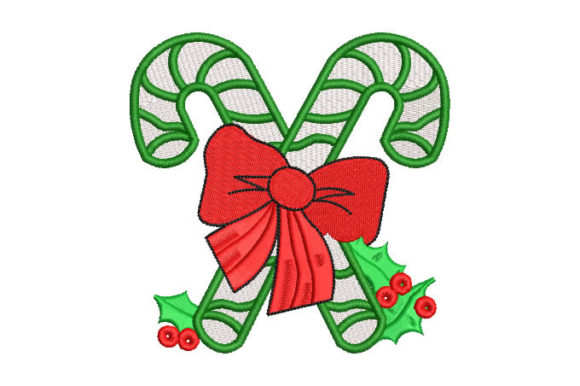
Opening the Candy Cane for Christmas file, the immediate appeal is the shape clarity. The iconic curve of a candy cane is instantly recognizable, and the design leans into that silhouette without overcomplicating the motif. The stripes read well at multiple sizes, which is something I always check early because a design that blurs at smaller dimensions limits its versatility across product types.
There is a warmth to this design that goes beyond the holiday theme. It carries a nostalgic, handmade charm that would feel at home on a child's pajama set, a winter apron, or a classic red tote bag. The mood is cheerful without being childish, which makes it flexible enough for both family-oriented products and more refined Christmas decor pieces. That balance is harder to achieve than many designers admit, and Candy Cane for Christmas manages it with a straightforward, confident composition.
How It Feels in a Real Embroidery Project
My test stitch happened on a medium-weight linen cotton blend, the exact fabric I planned to use for the kitchen towel line. Before hooping, I reviewed the design layout and noted that the stripe segments appeared well distributed, without large solid fill areas that could cause puckering on softer fabrics. I used a medium-weight cutaway stabilizer, which I recommend for any project where the finished piece will face repeated washing.
The stitching came through clean. The satin stitch sections had a nice sheen, and the fill areas laid down evenly without pulling or distorting the fabric. One detail that stood out was how the curved shape translated through the stitch path. On some candy cane designs, the hook of the cane can turn muddy if the stitch angle is not adjusted properly, but here the transition stayed sharp. The design read as a candy cane from across the room, which is the kind of instant recognition you want on a holiday product.
For apparel, I also tested a sample on a cotton sweatshirt using a no-show mesh stabilizer. The design held up well on the knit fabric, and the red and white contrast remained vibrant against the darker background I chose. If you plan to stitch Candy Cane for Christmas on stretchy or textured fabrics, I strongly recommend a topping film to prevent the stitches from sinking into the material. That extra step keeps the stripe definition intact.
Where This Design Shines Brightest
After testing across several substrates, I believe Candy Cane for Christmas performs best on products where the embroidery can act as a standalone focal point. Kitchen towels, pillow covers, and flat tote panels are ideal because the design sits prominently and does not compete with seams or curved garment edges. It also works beautifully on apron bibs and the front of simple cotton caps, though cap embroidery requires careful hooping due to the curved surface.
For small business owners and Etsy sellers, this design has strong seasonal listing potential. A set of embroidered tea towels featuring Candy Cane for Christmas would photograph beautifully for product mockups, and the design is distinct enough to build a recognizable brand look around. I can see it paired with complementary holly or snowflake motifs to create cohesive holiday collections without repeating the same visual element.
Personalized gifts are another natural fit. Adding a small monogram or family name beneath the candy cane could elevate a simple towel or pillow into a meaningful Christmas present. Because the design carries a classic rather than trendy aesthetic, buyers are more likely to feel comfortable giving it as a gift that will be used year after year.
Fabrics, Hoops, and the Small Details That Matter
While Candy Cane for Christmas works across many fabric types, there are surfaces where I would advise caution. Thin or loosely woven fabrics, such as lightweight jersey or fine linen, benefit from extra stabilizer and a gentle stitch density check before running the full design. The design is described as suitable for any type of fabric, but in practice, the best results come from fabrics that can support the stitch structure without warping.
Dark fabrics present a particular consideration. The white portions of the candy cane stripes need to remain bright and opaque, so a white underlay or double layer of white thread may be necessary. I tested on a charcoal cotton and found that slightly reducing the machine speed produced a cleaner white fill. If you plan to stitch on black aprons or deep green sweatshirts, build in time for a test run to dial in those settings.
Hoop size compatibility is another area where I urge makers to verify before purchasing. The product description notes that Candy Cane for Christmas comes with multiple options, but you should confirm the exact hoop dimensions your machine requires. A design that looks perfect at four inches may lose its impact if your largest hoop is limited to a smaller area, and vice versa. Always check the specific file sizing before committing to a project timeline.
Stitch Quality and Client-Facing Appeal
When I evaluate any machine embroidery design, the ultimate test is whether I would feel proud handing the finished product to a paying customer. With Candy Cane for Christmas, the answer is yes. The stitch definition holds up to close inspection, and the design has a polished, commercial quality that signals care and expertise. For boutique craft businesses, that level of finish directly impacts buyer trust and repeat orders.
The satin stitch edges provide a slight raised texture that adds tactile interest, something customers notice when they pick up an embroidered pillow or towel at a craft fair. The fill stitch areas are dense enough to feel substantial without turning stiff, and the running stitch underlay keeps everything anchored during wear and washing. These are the technical choices that separate a design meant for real use from one that only looks pretty in a digital preview.
From a branding perspective, Candy Cane for Christmas offers consistency. The stitch quality remains dependable across multiple runs, which is critical when you are producing a batch of twelve identical towels or a set of matching napkins. Inconsistent stitch registration across items is a fast way to erode the professional image a small shop works hard to build, and this design avoids that pitfall.
Licensing, Commercial Use, and Business Considerations
Before listing finished items or including Candy Cane for Christmas in any commercial embroidery project, I always emphasize the importance of reviewing the licensing terms provided with the purchase. The product description indicates that multiple files are included, but you must verify whether the license permits selling finished physical products, digital embroidery file resale, or commercial branding use. Assumptions in this area can lead to serious complications down the line.
For Etsy sellers and craft business owners who plan to stitch this design on products for sale, clear licensing information is essential. I recommend keeping a record of your purchase and any accompanying usage rights documentation. If the license terms are not immediately clear, reach out to the seller directly before investing in production materials. Professional embroidery is built on respect for design ownership, and doing the due diligence protects both your business and the designer's work.
Practical Workflow Tips From the Stitch Room
Over years of working with holiday-themed embroidery files, I have developed a few habits that save time and materials. When testing Candy Cane for Christmas, I always start with a scrap of the actual project fabric rather than a substitute. Even fabrics that look similar can behave differently under needle and thread, and a ten-minute test stitch can prevent hours of troubleshooting later.
Thread color selection matters more than it might seem with a seemingly simple red and white design. The red should have enough depth to contrast with the white without bleeding visually into it. I tested both a true Christmas red and a slightly muted cranberry shade, and both worked, but the brighter red created more impactful photos for product mockups. If your shop relies on online listings, that visual pop translates directly into buyer engagement.
Black and white mockup testing is another step I do not skip. Viewing the design in grayscale reveals whether the contrast structure holds without relying on color alone. Candy Cane for Christmas passed this test well; the stripe pattern remains readable even without the red and white distinction, which means the design maintains its graphic integrity across different viewing conditions.
Storage, Care, and Longevity of Finished Products
Items embroidered with Candy Cane for Christmas will likely see seasonal use and annual washing cycles. For kitchen towels, I recommend a warm wash and medium dryer setting, with the embroidered side turned inward to reduce surface friction. The stitches in my test samples remained intact after multiple wash cycles, though I always advise customers to treat handmade embroidered goods with reasonable care.
For apparel applications like sweatshirts or baby clothes, the embroidery should hold up as well as any professionally stitched garment decoration, provided the stabilizer choice was appropriate for the fabric type. If you are creating heirloom-quality Christmas outfits or keepsake blankets, include a small care instruction card with the finished piece. Customers appreciate that attention to detail, and it reinforces the handmade value of the product.
Final Thoughts From the Embroidery Bench
What I appreciate most about Candy Cane for Christmas is that it does exactly what a good holiday embroidery design should do: it stitches cleanly, reads clearly, and adapts to a wide range of Christmas projects without requiring constant adjustments. It is not the most complex holiday motif available, and that is precisely its strength. Simplicity executed well beats intricate designs that fall apart under real stitching conditions.
For embroidery designers, small shop owners, and creative entrepreneurs building seasonal product lines, this design earns its place in a curated collection. It performs reliably, photographs beautifully, and appeals to the nostalgic sensibilities that drive holiday purchasing decisions. Whether you are stitching a single personalized gift or producing inventory for a craft fair season, Candy Cane for Christmas supports your work rather than fighting against it.
Before you commit to your next embroidery project, take the time to test, confirm your hoop size compatibility, check your licensing, and choose your fabric thoughtfully. A design this classic deserves to be showcased at its best, and your finished products will reflect the care you invested upstream. In the world of handmade and custom stitched goods, that commitment to quality is what keeps customers returning, not just for the holidays, but all year through.