Beautiful Young Girl Redwork: A Designer’s Apparel Review
First Impressions: A Redwork Classic with Modern Appeal
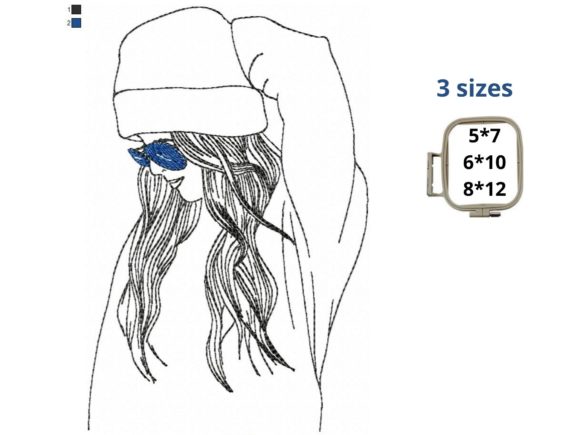
When I first opened the Beautiful Young Girl Redwork file from Creative Fabrica embroidery, I immediately saw its potential for boutique apparel. The design carries a crisp, line-art elegance that feels both nostalgic and fresh—ideal for shops that lean into handmade, heirloom-inspired aesthetics. The stitching mood is gentle and timeless, not overtly bold or cartoonish, which makes it surprisingly versatile across different age groups and garment styles. To my eye, this machine embroidery design delivers a premium, classic look that can elevate even the simplest sweatshirt or hoodie into a carefully curated piece.
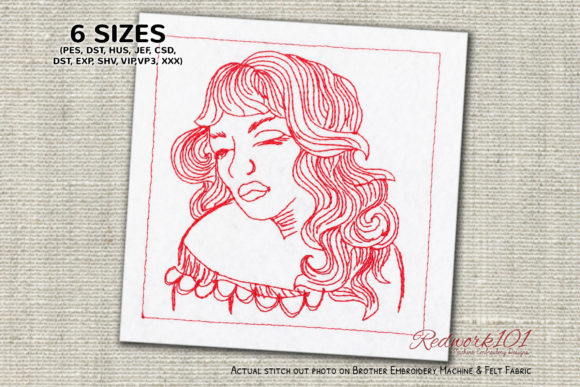
What I appreciate most is the deliberate simplicity. The redwork technique relies on a single-pass outline, so the visual personality stays clean and uncluttered. The girl's features feel hand-drawn and soft, avoiding the rigid, overly digitized feel that some embroidery file designs carry. Because the outer box stitch is optional—and the description notes its color can differ or be skipped entirely—you gain creative control over the final mood. Without the box, the design becomes airy and organic; with it, you get a framed cameo effect that looks stunning as a chest motif on a cream or pastel sweatshirt. For anyone building a cozy seasonal outfit line, this one design can serve multiple aesthetic directions.
Sweatshirt and Hoodie Embroidery: Chest and Sleeve Possibilities
Imagine a dusty pink oversized hoodie with Beautiful Young Girl Redwork stitched in deep burgundy thread on the left chest. The scale feels intimate but eye-catching, and because the stitching is predominantly outline work, it doesn’t add excessive bulk—a huge advantage when working with fleece-backed fabrics. For youth collections, a smaller version centered on a crewneck sweatshirt gives that perfect boutique-children’s-brand vibe. If you’re designing for an Etsy seller audience who loves matching sibling sets, consider a sleeve accent placement: the design scaled down to fit the upper arm adds a subtle, charming detail that photographs beautifully for printable mockup styling and lifestyle product photos.
On dark apparel—think charcoal, deep navy, or forest green—redwork demands careful thread color selection. Classic crimson pops wonderfully, but a dusty rose or terracotta can soften the contrast for a more romantic feel. Because the design’s outer box stitch can be placed in a different color, you have an easy way to tie in a secondary shade from your garment palette, improving visual consistency across a small collection.
Tote Bags and Lifestyle Accessories
Don’t overlook tote bag design when planning your boutique merchandise. A natural canvas tote featuring Beautiful Young Girl Redwork instantly becomes a high-perceived-value item. The line-art style pairs perfectly with minimalist branding—just add your shop name in a slender font below, and you have a complete custom apparel accessory that sells year-round. Because tote bags present a flat, stable surface, this is also an excellent project for testing the design’s stitch density before moving onto curved, stretchy sweatshirts. When photographed in flat lays or styled carrier shots, this type of embroidery lifts the entire presentation, which directly benefits small shop product recognition on platforms like Etsy.
Back Designs and Statement Apparel
While I’m partial to the understated chest placement, Beautiful Young Girl Redwork can absolutely work as a larger back design on denim jackets or lightweight cardigans. The key is scaling—enlarging a pure outline design too much can reveal digitizing gaps, so I recommend running a test stitch on similar-weight fabric first. On a pastel denim jacket back panel, the design turns into a conversational, artisanal statement without screaming for attention. For these larger applications, keeping the optional box stitch often helps anchor the composition and prevents the artwork from feeling lost on a broad surface.
Stretchy and Textured Fabrics: Testing Is Key
As an embroidery designer who has ruined a few garments by rushing the sampling phase, I strongly advise treating each fabric type as its own project. Sweatshirt embroidery on fleece requires a crisp cutaway stabilizer to prevent the dense outline from sinking into the plush surface. For ribbed cuffs or heavily textured knits where a placement might pucker, test a hoop size that allows firm, even tension around the design area. Before going into production for a boutique brand, always stitch out Beautiful Young Girl Redwork on scrap fabric that matches your final garment. This step reveals whether the thread colors you chose for the redwork and the optional box maintain proper contrast, and it lets you check if tiny facial details—like the girl’s eyes or hair lines—read clearly after a wash cycle.
Be especially mindful of curved surfaces such as side-seam placements or upper sleeves. Small chest placement remains the safest, most commercially appealing choice. Dense stitch areas are minimal with pure redwork, but the outline can still feel stiff on ultra-thin t-shirt jersey. If you plan to offer the design on lightweight tees, pair it with a soft no-show mesh stabilizer and reduce density slightly if your software permits. These small adjustments can mean the difference between a finished product that looks professionally produced and one that feels rigid against the skin.
The Value of the Optional Box Stitch
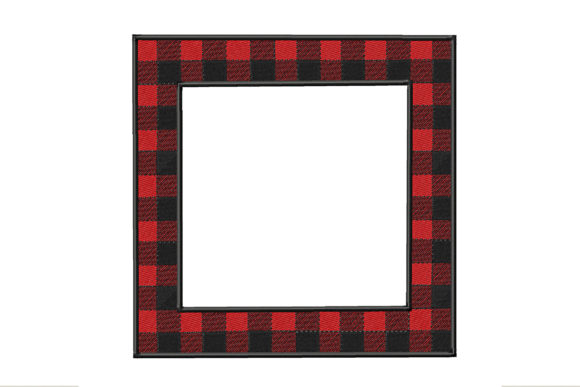
The product description clearly states that the box stitch is optional and its outer color can differ from the main design, or you can skip it entirely. This flexibility is a real asset for commercial embroidery work. For a unified boutique collection, I might use a soft cream thread for the box on one garment, then omit the box on another for variety—all while using the same core digital embroidery file. That way, my Etsy listings can showcase two distinct looks without purchasing multiple designs, which is a subtle but powerful workaround for small shop product economics.
Impact on Brand Identity and Customer Perception
Adding a design like Beautiful Young Girl Redwork to your apparel line tells buyers you care about craftsmanship, not just trendy graphics. The redwork style carries a sense of hand-stitched tradition, which aligns beautifully with brands emphasizing handmade product values, slow fashion, or heirloom-quality children’s wear. When customers see a well-placed, neatly embroidered motif on a garment, their trust in your boutique brand rises—they associate the visual consistency with attention to detail. This is particularly important for Etsy seller success, where your product photos are the primary trust signal. A hoodie featuring this delicate girl motif instantly communicates a higher level of care than a simple screen print ever could.
Over time, using consistent design elements—like a recurring redwork aesthetic or a signature placement size—builds product recognition. Customers begin to spot your pieces on social media or in printable mockup styled shots, enhancing customer engagement and repeat purchases. Even the optional box stitch can become part of that identity; I’ve seen brands use a distinct frame color across collections to tie together a series, and this design makes that easy.
Practical Designer Notes Before You Stitch
Every machine embroidery design I review goes through a mental checklist before it touches a production garment. Here’s what I do when evaluating a file like Beautiful Young Girl Redwork obtained from Creative Fabrica:
- Confirm the details on Creative Fabrica. Check the product description for file formats, stitch dimensions, and any licensing notes. I never assume a design is cleared for commercial embroidery sales without verifying the creator’s terms.
- Test on scrap fabric. Use a material that closely mimics your final garment—fleece, French terry, or cotton—to evaluate how the stitches settle and how much puckering occurs.
- Choose the right stabilizer. For sweatshirt backing, I prefer a medium-weight cutaway. For thin t-shirts or tote bags, a tear-away with a water-soluble topper often yields the crispest result.
- Review thread color contrast. Especially for redwork, the thread shade must stand out against the garment base. Hold the thread cone up to the fabric in natural light before threading.
- Confirm hoop size. Measure the design’s footprint and ensure your hoop can accommodate it with at least an inch of clearance around all edges for tie-down stitches.
- Inspect stitch density. If the outline feels too dense for a lightweight garment, consider in-software adjustments or contact the designer if you’re working with a digital embroidery file that allows editing.
- Test on similar garment fabric. A perfect sew-out on a stable cotton square doesn’t guarantee the same result on a stretchy hoodie shoulder. Always do a final test on the real thing.
- Compare placement options. Physically pin a paper template of the design on your garment and view it in a mirror from a distance. This simple step prevents costly placement regrets.
Because the product description mentions the box stitch color can be different and is optional, I always stitch one sample with the box and one without. This gives me a clear, side-by-side understanding of how each version fits the collection’s mood. If you’re uncertain about stitch count or exact file formats, reach out to the Creative Fabrica seller before production, as those technical parameters are not included in the visible summary.
Ultimately, Beautiful Young Girl Redwork earns a confident spot in my lineup for boutique sweatshirts, hoodies, and tote bags. Its classic redwork charm, flexible box stitch, and gentle presence make it a design that can carry a collection while leaving breathing room for complementary pieces. Whether you’re dressing up a blank for a holiday drop or building a year-round handmade brand, this machine embroidery design offers the kind of understated elegance that helps a small shop stand out without shouting.