Cobra Snake Embroidery: A Maker’s Project Review
As someone who tests dozens of machine embroidery designs every month, I’ve learned to spot the difference between a file that simply digitizes well on screen and one that genuinely earns its place on a finished product. When I loaded the Cobra Snake design into my software, I was immediately curious: this isn’t just another generic animal. It’s a reptile with personality, and immediately I started thinking about all the small shop merchandise and personalized gifts where it could become the star of the show. The high-quality embroidery design claims to work for pillows, t-shirts, sweatshirts, and more, and it promises multiple file formats. But what really matters is how it translates from a digital embroidery file into thread on fabric—and whether it makes sense for crafters, Etsy sellers, or anyone building a business around handmade products.
A Design That Commands Attention Without Screaming
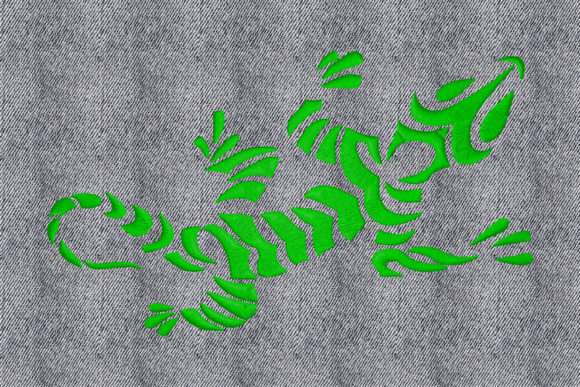
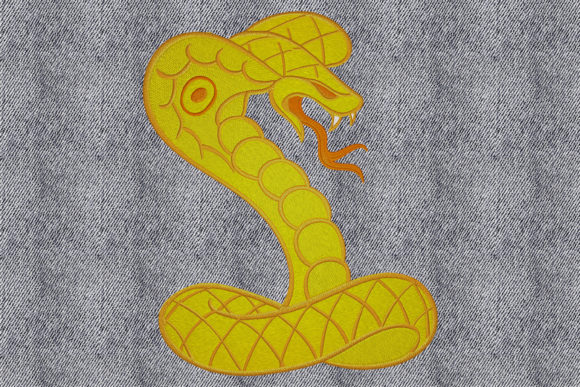
My first impression of the Cobra Snake design was that it strikes a rare balance. The hooded serpent shape is instantly recognizable, with a poised, almost regal posture. Instead of an overly aggressive cartoon, this version leans into clean lines and a well-defined silhouette that gives it a sophisticated edge. I could see this working equally well as a bold back patch on a denim jacket or as a tasteful accent on a neutral pillow cover in a modern living room. The mood is confident, slightly edgy, and undeniably cool—it feels like a design an adult reptile lover would actually want to wear, not just something you’d stick on a kid’s t-shirt for a zoo trip.
From a designer’s perspective, the layout matters enormously. The Cobra Snake fills the available hoop space without weird floating elements that look disconnected after stitching. The curves flow naturally, and I didn’t spot any awkwardly thin lines that might disappear on textured fabric. For a machine embroidery design in the Reptiles category, it avoids the trap of being too literal or overly detailed in ways that cause thread breaks. That’s a huge plus when you’re trying to maintain stitch density integrity across different fabric types without constant machine babysitting.
Putting the Cobra to Work on a Canvas Tote
I decided to test-stitch this design on a heavyweight canvas tote bag—a classic project for crafters selling at farmers’ markets or shipping custom orders online. My client’s brief was real and relatable: a birthday gift for a herpetology student who appreciates subtle, well-made things. The tote needed to be production-friendly, durable, and visually striking without being loud. Right away, the Cobra Snake felt like a natural fit.
I hooped a medium-weight cutaway stabilizer, matched the bag’s natural cotton thread with a charcoal gray for the main serpent body, and used a deep rust accent for the hood pattern details. I ran a test on scrap fabric first—always a non-negotiable step—and noticed the satin stitch borders were clean, the fill stitch areas were dense enough to hold their shape without puckering, and the running stitch underlay helped anchor everything beautifully. When I finally stitched it onto the tote, the design sat flat against the canvas grain, no pulling or distortion. The snake’s scales didn’t blur together, even though some fine detail was present.
For anyone working on custom apparel like sweatshirt embroidery or tote bag design commissions, this kind of reliable digitizing is pure gold. It means less time re-hooping, fewer wasted blanks, and a finished product that builds customer trust. I can already picture the buyer opening that package, running their hand over the stitches, and immediately feeling the quality.
Where This Snake Shines (and Where to Be Cautious)
Not every fabric is a friend to a design with this level of detail. On the canvas tote, the Cobra Snake thrived because the base was stable and the weave tight. But I’d be extra careful with stretchy t-shirt material. If you’re planning a fitted tee or a thin jersey sweatshirt, a serious fusible stabilizer becomes your best friend. Cheap backing will let that hood detail stretch out, and a regal cobra can turn into a wobbly blob after one wash. For hats and caps, the curved surface could fight the central symmetry, so you’d want to test the placement carefully and maybe position the design slightly off-center if the crown seam interferes.
Small hoop sizes are another consideration. If the design is meant for a 4x4 hoop, some of that intricate hood marking might become illegible at the smallest scale. Always verify the recommended hoop size before buying, and if the seller doesn’t list it, reach out. The same goes for thick textured fabrics like a looped terry kitchen towel: the stitches can sink and the snake’s smooth body might look spotty. In that case, a topping layer is non-negotiable. From my experience, the Cobra Snake embroidery design shines brightest on woven pillow covers, flat apron bibs, structured jacket backs, and heavyweight sweatshirts where the stitch definition stays crisp.
From Digital File to Finished Product: What Makers Need to Know
The description says the package includes multiple embroidery file formats. That’s vital for anyone juggling different machines—Brother, Janome, Bernina, or commercial multi-needle workhorses. Before committing, I’d confirm which formats are actually included and whether they match your machine’s native extensions. A high-quality embroidery design isn’t just about the art; it’s about painless file transfer, no weird conversion errors, and proper thread stop commands if it includes color changes.
Thread color choices are where many crafters elevate a good design to great. I tested the Cobra Snake in a monochromatic charcoal and slate palette, then again with an unexpected olive green and copper combo. Both worked. But I’d strongly advise against using high-contrast white thread on black fabric for this design unless you’ve checked stitch density under magnification—light threads on dark backgrounds reveal every tiny gap, and the snake’s hood detail could start to look fragmented. For a tote or a sweatshirt, I’d lean into mid-tone contrasts that keep the embroidery looking luxurious without risking visibility flaws.
The Business Side: Is This Design Right for Your Shop?
If you’re an Etsy seller or run a small shop product line, the Cobra Snake embroidery design sits in a clever niche. Reptiles aren’t as saturated as florals or monograms, so a well-executed snake motif can attract a loyal subset of buyers—pet owners, wildlife enthusiasts, alternative fashion lovers, or even fans of symbolic animal art. I can picture this on a set of boutique embroidered patches, tucked into a personalized gift bundle, or printed onto a mockup for a digital product preview that really pops on a listing page.
However, commercial embroidery requires clarity on the licensing front. The product details mention high-quality design and multiple file formats, but I didn’t see explicit resell rights or commercial use terms. Before you stitch this onto twenty hoodies for a craft fair, check with the provider whether the license covers selling finished items. Some designers restrict usage to personal projects, others allow unlimited physical product sales. As a reviewer who’s been burned by licensing gray areas, I can’t stress enough: don’t assume. Ask. Keep the email confirmation. It protects your business and builds the kind of professionalism that keeps customers coming back.
For those who sell printable mockups or embroidery design assets, the Cobra Snake could also serve as a strong portfolio piece. Showing designers how it looks on a real handmade product—like the tote I stitched—can inspire new project ideas and drive engagement. A garment-flat mockup with this snake centered on a hoodie back is the kind of thing that stops a browser mid-scroll.
Before You Stitch: A Designer’s Checklist
Over years of testing and making, I’ve developed a shortlist that saves me from midnight seam ripper disasters. Apply it to the Cobra Snake design and any other embroidery file you bring into your studio:
- Test on scrap first. Use the same fabric and stabilizer as your final project. No shortcuts.
- Check thread colors. Hold your spools against the fabric in natural light. What looks good on screen may clash after stitching.
- Review stitch density. If the design feels stiff as a board, it’s too dense and may pucker or cause needle breaks on finer materials.
- Confirm hoop size. The design needs breathing room—don’t force a 5x7 design into a 4x4 frame.
- Inspect tiny details. Zoom in on the snake’s eyes and tongue. Do they simulate well or look like a stray thread tangle?
- Test on dark and light fabrics. A design that sings on beige cotton might ghost out on charcoal fleece.
- Use proper stabilizer. Cutaway for knits, tear-away for stable wovens, and always a topper for towels or fluffy textures.
- Evaluate black-and-white contrast. Desaturate your mockup photo to see if shapes hold up without color. Great embroidery relies on value, not just hue.
- Verify licensing. Personal project? Commercial sale? Don’t guess.
Following these steps transforms a digital file into a finished product you’re proud to hand over. For the Cobra Snake, the extra care paid off: my tote recipient posted a picture of it on social media before I’d even shipped the matching patch. That’s the kind of reaction that tells you the design works beyond the hoop.
Final Thread Thoughts
As an experienced embroidery reviewer, I don’t hand out easy praise. The Cobra Snake design earned its spot because it respects the maker’s process. It’s not overly complicated to a fault, the shape holds its own under varied lighting, and the mood suits a surprising range of merchandise—from a moody bedroom pillow cover to a crisp custom apparel piece for a boutique. Whether you’re building an embroidery project for a holiday gift, expanding your baby embroidery repertoire with something unexpected (a quirky nursery snake, anyone?), or simply adding a strong Reptiles category staple to your craft business, this design offers versatility tempered with style.
Just remember: the digital embroidery file is only half the story. Your choice of fabric, stabilizer, and thread turns potential into presence. Test thoroughly, respect the scale, and always keep your buyer in mind. When you get that combination right—and the Cobra Snake makes that easier—you’ll create a handmade product that feels less like craft and more like curated design.